What is advertising?
-
When a product us manufactured, its existence needs to be made known to the general public
Advertising appeals
-
Advertising appeals are communication strategies that marketing and advertising professionals use to grab attention and persuade people to buy or act.
In rhetorical theory the idea of an 'appeal' dates back to Aristotle.
Ethos : an appeal to credibility or character
-
An advertisement using ethos will try to convince you that the company in the more reliable, honest and credible.
Ethos often involves statistics from reliable experts, such as nine out of ten dentists agrees that crest is the better than other brand.
Pathos : an appeal to emotion
-
Evoke an emotional response in the consumer. Sometimes, it is a positive emotion such as happiness : an image of people enjoying themselves while drinking coke.
Other times advertisers will use negative emotions such as pain : a person having back problems after buying the 'wrong' mattress.
Logos : an appeal to logic or reason
-
An advertisement using logos will give the evidence and statistics you need to fully understand what the product does.
The logos of an advertisement will be the "straight facts" about the product : one glass of Florida orange juice contains 75% of you daily vitamin C needs.
Showing posts with label Theory. Show all posts
Showing posts with label Theory. Show all posts
Friday, December 14, 2018

Friday, October 26, 2018
Camera movement
Motivated camera movement
-
The camera moves directly with the action being shown, for example if a character moves across the screen the camera tilts, pans, or physically moves by hand or on a dolly.

Unmotivated camera movement
-
When a camera move is imposing on the action rather than just following it, this is used for emphasis of any kind.
Zoom
-
This is when you magnify an element of the scene, the camera itself doesn't actually move during this movement, it is done with a lens. This type of zoom is usually slow, which builds drama, suspense and tension.
Example : https://youtu.be/ZbMtUL-69_g?t=85
Crash zoom
-
This is the same as a normal zoom but is done a lot faster, this is used mostly to shock, reveal action suddenly or to just reveal something.
Example : https://youtu.be/kjZ9EQ7LMD8?t=8
Pan / whip pan
-
When the camera moves on it's horizontal axis, left to right or right to left.
Camera movement practical
-
-
The camera moves directly with the action being shown, for example if a character moves across the screen the camera tilts, pans, or physically moves by hand or on a dolly.

Unmotivated camera movement
-
When a camera move is imposing on the action rather than just following it, this is used for emphasis of any kind.
Zoom
-
This is when you magnify an element of the scene, the camera itself doesn't actually move during this movement, it is done with a lens. This type of zoom is usually slow, which builds drama, suspense and tension.
Example : https://youtu.be/ZbMtUL-69_g?t=85
Crash zoom
-
This is the same as a normal zoom but is done a lot faster, this is used mostly to shock, reveal action suddenly or to just reveal something.
Example : https://youtu.be/kjZ9EQ7LMD8?t=8
Pan / whip pan
-
When the camera moves on it's horizontal axis, left to right or right to left.
Camera movement practical
-
Sunday, October 7, 2018
Editing
Order of shots


-
Pace and Rhythm

- The meaning of a sequence can change depending on the order of the shots.
- Putting two shots together can suggest a connection or emphasize contrast (juxtaposition).

Soviet montage theory
- The Kuleshov effect is a concept in the film making created by Lev Kuleshov in the 1920s.
- Sergei Eisenstein, the idea that placing together separate sections of film could create ideas or have an impact beyond the individual shots.
Transitions
- The process of moving from one shot to another.
- The most commonly used transition is a cut.
-
Fade
- Preceding shot fades into a black solid.
Dissolve or cross fade
- The preceding shot merges into the following shot, resulting in the two shots being superimposed.
-
Pace and Rhythm
- Duration of a shot will usually reflect the narrative context.
- Short shots conveys action and urgency.
- Long shots create a slower pace and convey intensity and intimacy within the narrative; it allows us to focus upon facial expressions and the other aspects of the mise-en-scene.
Continuity
- Cutting shots to tell a story with narrative continuity.
- Helping the viewer make sense of action by implying spatial relationships and ensuring smooth flow from shot to shot.
- Creates realism.
Wednesday, September 26, 2018
Mise - en - scene
What is mise - en - scene?

-
This is everything you see on the screen.
What are the different elements even on the screen?
- Costume / hair / make-up
- Props / setting
- Lighting / colour
- Location
- Facial expression / body language
- Position of characters and objects in a frame
Costume, hair and makeup
-
Certain costumes can signify certain individuals.
Props and setting
-
This can manipulate an audience by building certain expectations and then taking a different turn.
Lighting and colour
-
Used to achieve a variety of effects, this includes :
- The key light
- The fill light
- The back light
Low key lighting - using only the key backlight
High key lighting - more filler, lighting is natural, produces a brightly lit set or a sunny day.
Facial expressions and body language
-
This can indicate how a character feels towards another character or their emotional state in general.

Wednesday, September 19, 2018
Types of sound
Diegetic sound
-
This is sound that has a physical origin in the film world it can either be on screen or off screen.
-
This is sound that has a physical origin in the film world it can either be on screen or off screen.
- voices of characters
- sounds made by objects in the story
- music represented as coming from the instruments in the story space
- the story space
Non - diegetic sound
-
This is sound that has no direct origin in the film world, it can be represented as coming from a source outside the story line.
- narrator's voice
- sound effect
Dialogue
-
This is the words spoken by the characters within the scene
Voice over
-
When a narrator or a character is heard talking over the images you are seeing on the screen.
Music (score)
-
This is used to heighten the emotion and drama of a scene, it is usually music played within the background of a scene.
Sound effects
-
A recorded sound other than speech or music which is added to the soundtrack to enhance the narrative.
Wednesday, September 12, 2018
Shot Types
Shot types
-
Cinematography
The art of photography and camerawork in film-making.
-
Extreme long shot (XLS)


Medium long shot (MLS)

Medium shot (MS)
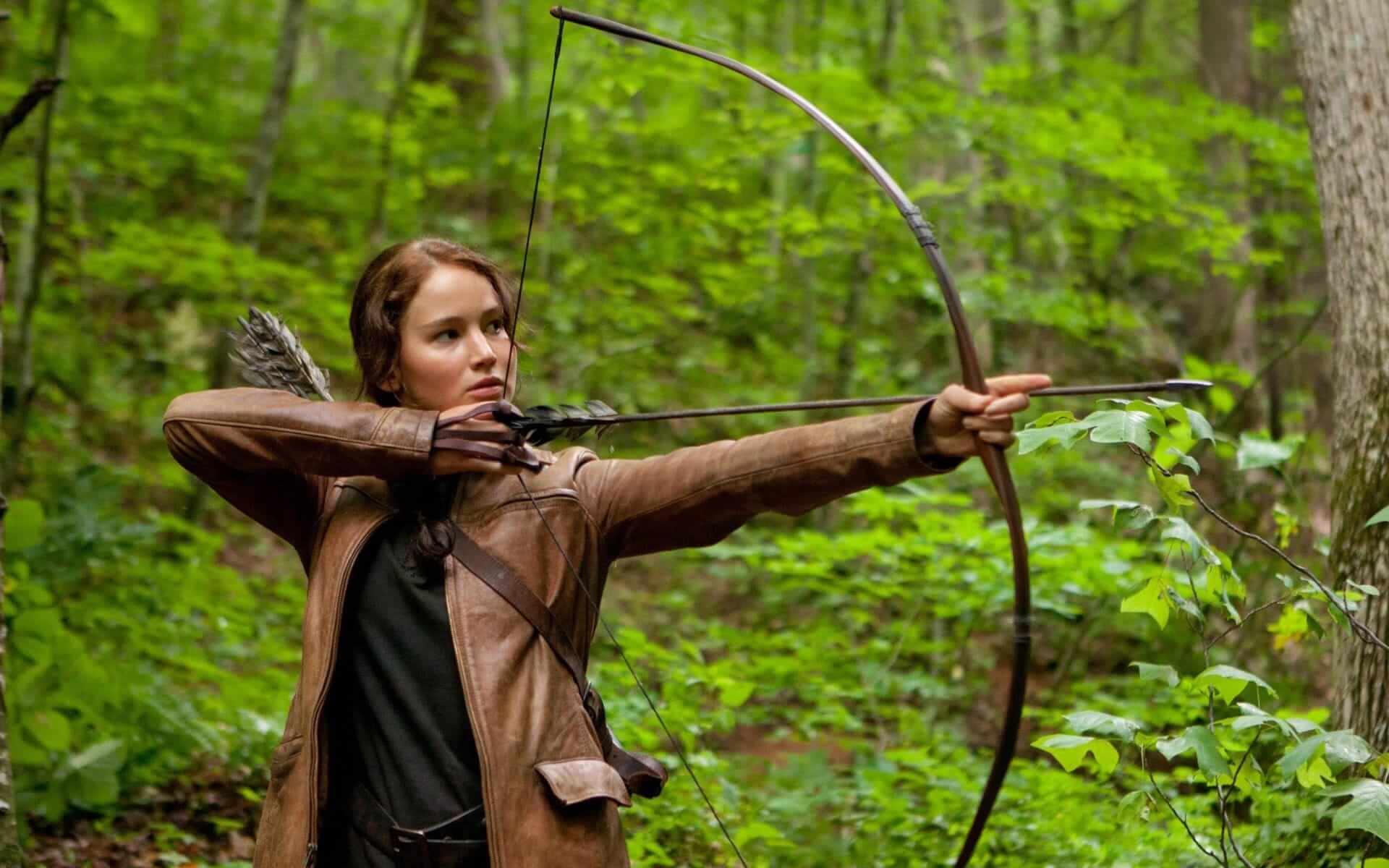
Medium close-up (MCU)

Close-up (CU)

Extreme close-up (ECU)


-
Cinematography
The art of photography and camerawork in film-making.
-
Extreme long shot (XLS)
- Covers wide area.
- Shows the whole subject and it's surroundings.
- Gives context for your scene.
Long shot (LS)
- Shows the whole subject from head to toes.
- The focus is the subject but the environment is also visible.
- It's used to show action instead of emotion.
Medium long shot (MLS)
- Shows the whole subject from the knees up.
- It's an intermediate shot between the long shot and the medium shot.
- Shows the subject and they're surroundings.
- It can be used when they have 2 or 3 people in the frame.

Medium shot (MS)
- Shows the subject from the waist up.
- Normally used during interviews.
- Directs the viewer to the subject.
Medium close-up (MCU)
- Shows the subject's head and cuts off around mid-chest.
- The focus is on the subject.
- Shows very little of the subject's surroundings.
- It shows the facial expressions of the subject.
- Normally used in interviews in documentaries and new programs.
Close-up (CU)
- Frames the subject's face and its off mid-neck, revealing the face and entire head.
- The subject fills almost the entire frame.
- Captures facial expressions and emotions.
- Shows just the person's facial features.
- Frames only a portion of the subject.
- Used to show the person's emotions.

High camera angle
- A cinematic technique where the camera is looking down on the subject.
- Used to show vulnerability of the subject when applied with the current mood, setting, and effects.
- Makes a scene more dramatic.

Low camera angle
- When the camera is positioned low on the vertical axis, anywhere below the eyeliner.
- This angle is typically used to show the subject as being powerful and strong.

Dutch camera angle
- When the camera is set at an angle on it's roll axis.
- Used to portray psychological uneasiness or tension in the subject being filmed.

Subscribe to:
Posts (Atom)
-
Shot types - Cinematography The art of photography and camerawork in film-making. - Extreme long shot (XLS) Covers wide area. Sho...
-
 Order of shots The meaning of a sequence can change depending on the order of the shots. Putting two shots together can suggest a connec...
-
 Audio - Human can hear 20 - 20,000 Hz - Wavelength - Wildtrack - background noise - VU meter - Audio distortion P.P.M. ...
